
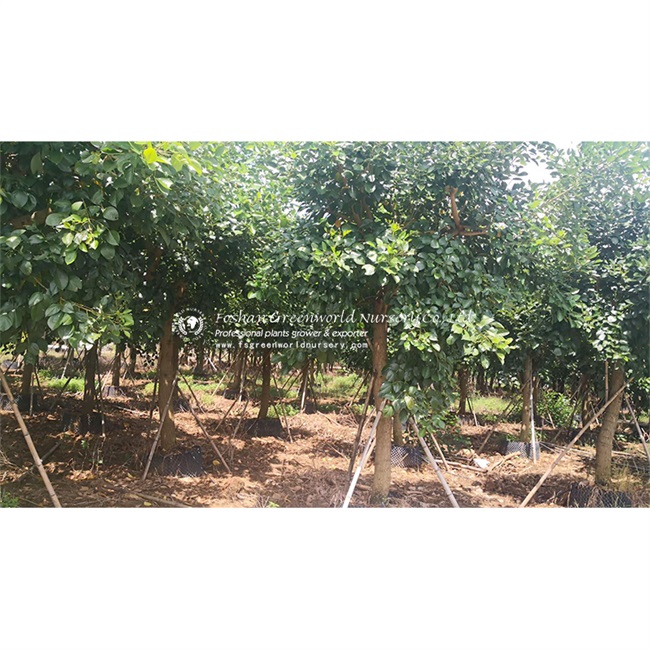
In a remarkable stride towards urban greening and ecological sustainability, the Kani Konna Plant has become a beacon of environmental revitalization in the region. Known for its expansive range of botanical specimens, the facility is actively contributing to city beautification projects, air quality improvement, and biodiversity enhancement through its carefully curated plant collection. This initiative reflects a growing commitment to integrating nature within urban landscapes, providing residents with healthier, greener living environments.
**A Diverse Botanical Collection Fuels Urban Sustainability**
The Kani Konna Plant's collection features an impressive variety of flora, ranging from ornamental trees to fragrant flowering plants and robust shade providers. This diverse assemblage not only enriches the visual appeal of urban spaces but also plays a critical role in improving air quality, reducing urban heat effects, and supporting local wildlife.
Among the notable species cultivated here are:
- **Lagerstroemia Indica and Lagerstroemia Indica Vase**: Popular for their vibrant blooms and hardy nature, these plants are widely used in landscaping to add color and enhance the aesthetic value of parks and streets.
- **Delonix Regia**: Often referred to as the flamboyant tree, it is treasured for its fiery red flowers that provide substantial shade beneath its canopy, making public spaces cooler and more inviting.
- **Hibiscus Tiliaceus Rubra and Hibiscus Tiliaceus**: These variants of hibiscus contribute to the tropical ambiance with their luscious flowers and are instrumental in coastal urban greening due to their salt tolerance.
- **Pongamia Pinnata**: Known for its resilience and nitrogen-fixing ability, this tree enriches the soil quality while providing habitat for beneficial insects.
- **Albizia Saman**: Also termed the rain tree, its expansive foliage offers excellent shade, reducing heat islands in densely populated areas.
- **Millingtonia Hortensis**: Admired for its fragrant white flowers, this tree enhances the sensory environment in urban neighborhoods.
- **Ficus Nitida and Ficus Religiosa (Sacred Fig Tree)**: These fig species are significant both culturally and ecologically, supporting diverse bird species and serving as landmarks in local communities.
- **Peltophorum**: The yellow-flowering Peltophorum species brighten public spaces and are appreciated for their fast growth and environmental benefits.
- **Ginkgo Biloba**: This ancient tree species is highly valued for its unique fan-shaped leaves and ability to tolerate urban pollutants, making it ideal for city planting.
- **Magnolia Grandiflora**: Known for its large, fragrant flowers and glossy leaves, this species adds charm to urban parks and gardens.
- **Photinia Serrulata**: Its striking red young leaves make this plant an attractive choice for hedges and ornamental purposes.
- **Cinnamomum Camphora**: Commonly called camphor tree, it provides shade and emits a pleasant aroma, enhancing the urban sensory landscape.
- **Prunus Yedoensis**: Famous as the Yoshino cherry, it symbolizes springtime beauty through its spectacular blossom displays.
- **Trachycarpus Fortunei**: Also known as the windmill palm, this species adds a tropical flavor to temperate urban areas.
- **Tecoma Stans**: Bright yellow flowers of this species attract pollinators and brighten otherwise dull urban corners.
- **Wodyetia Bifurcata (Foxtail Palm)**: Valued for its elegant fronds, it epitomizes tropical sophistication in city gardens.
- **Sea Grape Plant**: This coastal plant is used in landscaping for its salt tolerance and lovely, large grape-like fruits.
- **Ficus Racemosa**: Another culturally significant fig species, it supports local biodiversity and offers ecological stability.
**Commitment to Environmental Education and Community Engagement**
Beyond cultivation, the facility is deeply involved in spreading environmental awareness and education. Workshops, guided tours, and community planting drives are regularly organized to engage citizens of all ages in green initiatives. These programs highlight the importance of plant species diversity, sustainable gardening practices, and the crucial role urban flora play in climate resilience.
Local schools participate actively in such programs, incorporating hands-on learning experiences related to botany, ecology, and conservation. By fostering a connection with nature among younger generations, the initiative aims to build a community that values and actively preserves urban greenery.
**Addressing Urban Challenges with Botanical Expertise**
The Kani Konna Plant’s expertise extends to tackling pressing urban environmental challenges. For instance, the selection of species adapted to withstand pollution, drought, and saline conditions ensures that urban green spaces remain vibrant year-round despite changing climate patterns.
Moreover, the abundant shade trees help mitigate the urban heat island effect – a significant concern for densely built environments. By lowering ambient temperatures, these trees reduce energy consumption required for cooling, thereby indirectly contributing to lowering carbon emissions.
The inclusion of nitrogen-fixing species like Pongamia Pinnata enhances soil fertility, promoting healthier plant growth without excessive reliance on fertilizers. This holistic approach underscores the plant’s dedication to ecological balance and sustainability.
**Strategic Urban Planning and Ecological Impact**
Collaborations between the Kani Konna Plant and municipal authorities have been pivotal in shaping green belts, roadside plantations, and parklands across the city. This strategic ecological planning promotes interconnected green corridors that facilitate wildlife movement and enhance urban biodiversity.
The multipurpose use of plant species from this diverse collection—ranging from ornamental value to ecological services like air purification and habitat creation—demonstrates an innovative model for urban forestry applicable not only locally but globally.
**Conclusion**
The pioneering work done by the Kani Konna Plant serves as a model for urban environmental stewardship. By leveraging its extensive and diverse botanical collection, the facility is transforming urban spaces into lush, vibrant, and ecologically functional green areas. This initiative not only beautifies the city but also promotes sustainability, enhances public health, and fosters a stronger bond between citizens and their environment.
As urban populations continue to grow, and environmental challenges escalate, the role of comprehensive green initiatives such as this becomes ever more critical. The Kani Konna Plant's visionary approach exemplifies how biodiversity and urban planning can harmoniously coexist to ensure a resilient and verdant future for all.