
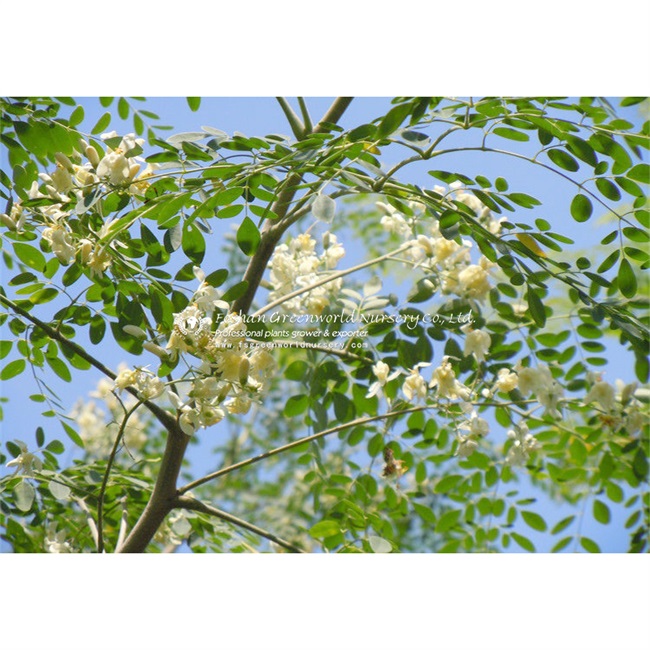
In an ambitious move to bolster urban greenery and promote ecological balance, city planners and environmental advocates are increasingly turning to a rich variety of tree species noted for their resilience, aesthetic appeal, and environmental benefits. The integration of diverse botanical species such as Lagerstroemia indica, Delonix regia, Hibiscus tiliaceus, and many others promises a greener, healthier urban environment conducive to enhancing both air quality and urban biodiversity.
Urban greening has emerged as a critical focus area worldwide, addressing the pressing challenges of climate change, air pollution, and the urban heat island effect. Trees play a central role in this initiative by sequestering carbon dioxide, providing shade, reducing temperatures, and offering habitat to urban wildlife. Recognizing these benefits, city authorities have expanded their palette of planting options to include a broad selection of trees that thrive in various climates and soil conditions.
Among the standout selections is Lagerstroemia indica, commonly known as the crepe myrtle. Valued for its vibrant flowers and hardiness, it flourishes in urban spaces, providing colorful blooms that last through summer. The tree is drought-resistant and suitable for city landscaping, making it a prime candidate for roadside planting and parks.
The flamboyant Delonix regia, often referred to as the flame tree, is renowned for its striking red-orange flowers that create visually stunning avenues and public spaces. Besides its ornamental value, it creates substantial shade, which is essential for cooling pedestrian zones and mitigating heat buildup on pavement surfaces.
Hibiscus tiliaceus and its variant Hibiscus tiliaceus rubra, known for their beautiful foliage and flowers, serve a dual purpose. They contribute to the aesthetic enhancement of urban parks while supporting pollinators such as bees and butterflies, which play a vital role in maintaining urban ecological networks.
Pongamia pinnata (also called the Indian beech) is another species gaining attention due to its capacity for nitrogen fixation, which improves soil fertility naturally, reducing the need for chemical fertilizers. Its robust nature makes it ideal for reforestation projects and urban plantations in areas affected by soil degradation.
Albizia saman, also known as the rain tree, provides expansive canopy coverage and is effective in reducing soil erosion. Its large limbs and dense foliage make it a preferred species for creating shaded recreational areas in urban environments.
Millingtonia hortensis, with its fragrant white flowers, offers sensory enhancements to public spaces, inviting residents to spend more time outdoors and enjoy the benefits of nature. This tree, along with Ficus nitida and Peltophorum, contributes significantly to urban biodiversity by serving as a habitat for birds and insects.
Ginkgo biloba, a “living fossil,” brings an intriguing historical and botanical dimension to urban parks. Its unique fan-shaped leaves turn a brilliant yellow in autumn, adding seasonal interest. Furthermore, its resilience to pollution and pests makes it a practical addition to city greenery.
Magnolia grandiflora, photinia serrulata, and cinnamomum camphora are species prized for their evergreen traits, providing year-round foliage cover that supports urban carbon sequestration goals. Their robust nature helps in maintaining the greenery throughout seasonal variations, ensuring continuous benefits to city dwellers.
Prunus yedoensis, commonly known as the Yoshino cherry, is a favorite for its spectacular springtime blossoms. This tree symbolizes renewal and is often planted in community spaces to enhance cultural and social wellbeing through seasonal festivals and outdoor gatherings.
Trachycarpus fortunei (windmill palm) and wodyetia bifurcata (foxtail palm) introduce an exotic tropical flair, expanding the diversity and attractiveness of urban flora. They are well suited for subtropical and tropical urban areas, combining aesthetic appeal with environmental adaptability.
Sea grape plant, ficus religiosa (the sacred fig tree), and ficus racemosa are deeply embedded in cultural and ecological contexts. These trees not only provide shade and visual beauty but also hold spiritual significance in many communities, enriching the cultural landscape of cities.
The incorporation of bonsai varieties and the sacred fig tree (ficus religiosa) in urban greening projects reflects a thoughtful approach to blending botanical heritage with modern environmental planning. These species facilitate education about biodiversity and sustainable practices, encouraging public engagement in urban nature conservation.
City administrations, in collaboration with local environmental groups and botanical experts, have started large-scale planting and maintenance programs incorporating this spectrum of tree species. These initiatives are designed to improve urban livability, spur ecological awareness, and build resilient cities capable of facing environmental challenges head-on.
The careful selection of tree species based on their environmental roles, growth characteristics, and cultural importance underscores a strategic approach to urban forestry. Not only do these trees beautify cityscapes, but they also serve as vital infrastructure supporting clean air, climate regulation, and biodiversity corridors.
Looking ahead, the expanding diversity of urban trees offers a promising avenue for sustainable city development. Enhanced green cover not only contributes to a better quality of life but also empowers urban populations to reconnect with nature amid concrete landscapes.
The commitment to urban greening through diverse tree species sets an inspiring example for other regions seeking to combat the environmental impacts of rapid urbanization. It signals a profound recognition that trees are not just decorative elements but foundational pillars of healthy urban ecosystems.
As cities grow and evolve, so too must their green infrastructure. The planting of species such as Lagerstroemia indica, Delonix regia, and others represents an investment in resilient environments and vibrant communities. Through these efforts, urban spaces worldwide can emerge greener, cleaner, and more livable for generations to come.