
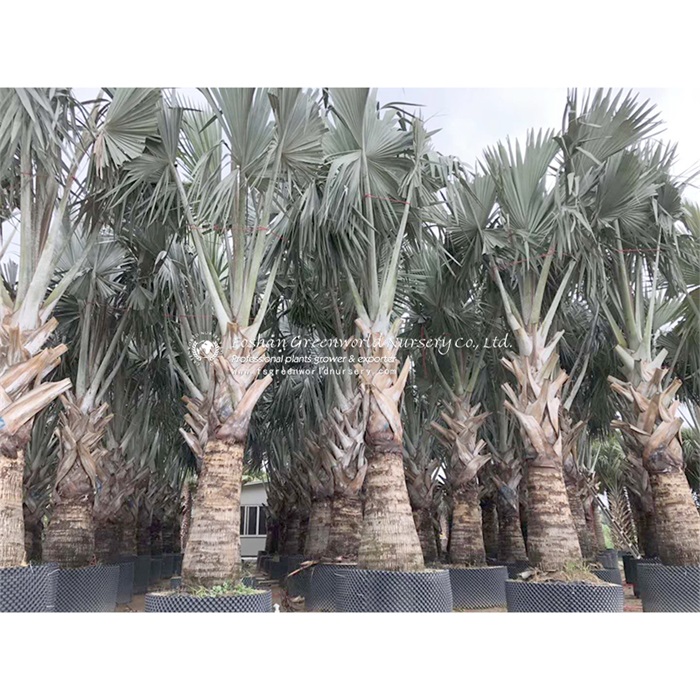
Urban greenery plays a pivotal role in enhancing the environmental quality and aesthetic appeal of cities worldwide. Incorporating diverse plant species into urban planning not only boosts biodiversity but also contributes to improved air quality, psychological well-being, and climate regulation. Among the myriad of flora enriching our cityscapes, Bauhinia blakeana stands out as a symbolic and ecologically significant tree, alongside an impressive roster of other botanical species frequently used in urban landscaping.
### The Significance of Bauhinia blakeana in Urban Greenery
Commonly known as the Hong Kong orchid tree, Bauhinia blakeana is widely celebrated for its striking, orchid-like flowers and vibrant presence in urban environments. This hybrid species, characterized by its broad, bilobed leaves and stunning purple-pink blossoms, has become a botanical emblem in many metropolitan areas, particularly in East Asia. Its dazzling floral display typically peaks in late autumn through winter, providing a vivid splash of color during otherwise drab seasons.
Bauhinia blakeana is not only valued for its ornamental beauty but also for its adaptability to urban conditions. It thrives in subtropical climates, tolerates air pollution, and requires relatively low maintenance—qualities that make it an excellent candidate for city parks, roadsides, and public gardens. Beyond aesthetics, this species contributes to urban biodiversity by providing habitat and nourishment for various pollinators, including bees and butterflies.
### A Symphony of Species Enhancing Urban Landscapes
In addition to Bauhinia blakeana, urban planners and horticulturalists often employ a wide range of tree species to create resilient and picturesque green spaces. Below is an overview of some prominent species that complement Bauhinia blakeana and collectively foster sustainable urban ecosystems:
- **Lagerstroemia indica** and **Lagerstroemia indica Vase**: Also known as crape myrtle, these trees are renowned for their long-lasting and vividly colored summer blooms. Their peeling bark and dense foliage make them attractive year-round.
- **Delonix regia**: The flamboyant flame tree captivates with its fiery red flowers, providing dramatic color and shade in tropical and subtropical urban areas.
- **Hibiscus tiliaceus (including the Rubra variant)**: These fast-growing trees display large, hibiscus-like flowers and help in coastal and urban afforestation due to their tolerance of salty environments.
- **Pongamia pinnata**: Known for its nitrogen-fixing ability, this species enhances soil fertility and is beneficial for restoring degraded urban soils.
- **Albizia saman**: Commonly called the rain tree, it is prized for its expansive canopy that offers substantial shade, improving pedestrian comfort in hot urban climates.
- **Millingtonia hortensis**: Sometimes called the Indian cork tree, it produces fragrant white flowers and contributes to urban air quality with its dense leaf cover.
- **Ficus nitida and Ficus religiosa**: These fig species serve as keystone urban trees because of their longevity, robust canopy, and cultural significance, especially Ficus religiosa, also known as the sacred fig.
- **Peltophorum**: Distinguished by their golden yellow flowers, these trees add brightness and diversity to urban plantings.
- **Ginkgo biloba**: A living fossil with fan-shaped leaves, ginkgo is renowned for its resilience against pollution and unique autumn foliage.
- **Magnolia grandiflora**: This majestic tree, with large, fragrant white flowers, enhances urban aesthetics while providing dense shade.
- **Photinia serrulata**: Often used as a hedge or ornamental tree, its glossy leaves and red fruit add texture and color variation.
- **Cinnamomum camphora**: The camphor tree is valued for its aromatic foliage and ability to adapt to different soil types, enhancing urban biodiversity.
- **Prunus yedoensis**: The iconic Yoshino cherry tree is celebrated for its spectacular springtime blossom displays, drawing crowds for seasonal festivals.
- **Trachycarpus fortunei**: This hardy fan palm brings a tropical ambiance to city streets and plazas.
- **Tecoma stans**: Known as yellow bells, this shrub-like tree boasts bright yellow trumpet-shaped flowers that attract pollinators.
- **Wodyetia bifurcata**: The foxtail palm is favored for its unique foliage and tolerance to urban conditions.
- **Sea grape plant (Coccoloba uvifera)**: This coastal species is used in seaside urban landscaping for its salt tolerance and distinctive round leaves.
- **Ficus racemosa**: Adding to the rich Ficus genus, this species supports urban wildlife and has cultural importance in many regions.
### Integrating Botanical Richness in Urban Development
The selection and integration of diverse tree species such as Bauhinia blakeana and the aforementioned varieties within urban landscapes exemplify a strategic approach to ecological design. Each species contributes unique benefits, ranging from shading and carbon sequestration to cultural symbolism and biodiversity support. The combination of flowering trees, shade providers, nitrogen-fixers, and aesthetically versatile species ensures that urban green spaces remain vibrant, functional, and sustainable.
Moreover, planting a wide variety of species mitigates the risks associated with monocultures, such as vulnerability to pests and diseases. Diversity in tree types promotes ecosystem resilience, allowing cities to better withstand environmental challenges and climate variability.
### Conclusion
Bauhinia blakeana, with its exquisite flowers and robust nature, remains a flagship species in urban horticulture, symbolizing the harmonious blend of beauty and ecological function. Its inclusion alongside a varied palette of complementary tree species—from Lagerstroemia indica to Ficus racemosa—illustrates the comprehensive efforts undertaken to green our cities thoughtfully and sustainably.
As urbanization continues to accelerate, prioritizing plant biodiversity and incorporating adaptable, culturally significant, and ecologically valuable species is essential to creating healthy, livable environments. Through such botanical stewardship, cities can nurture not only their landscapes but also the well-being of their inhabitants and the broader planetary ecosystems they belong to.